RRZ AI Video Factory
Video generation with task records and QA checkpoints.
Multi-model video production with recorded QA
Mar – May 2026 · resume period · Dates per resume
Product rules · Workflow design · API integration
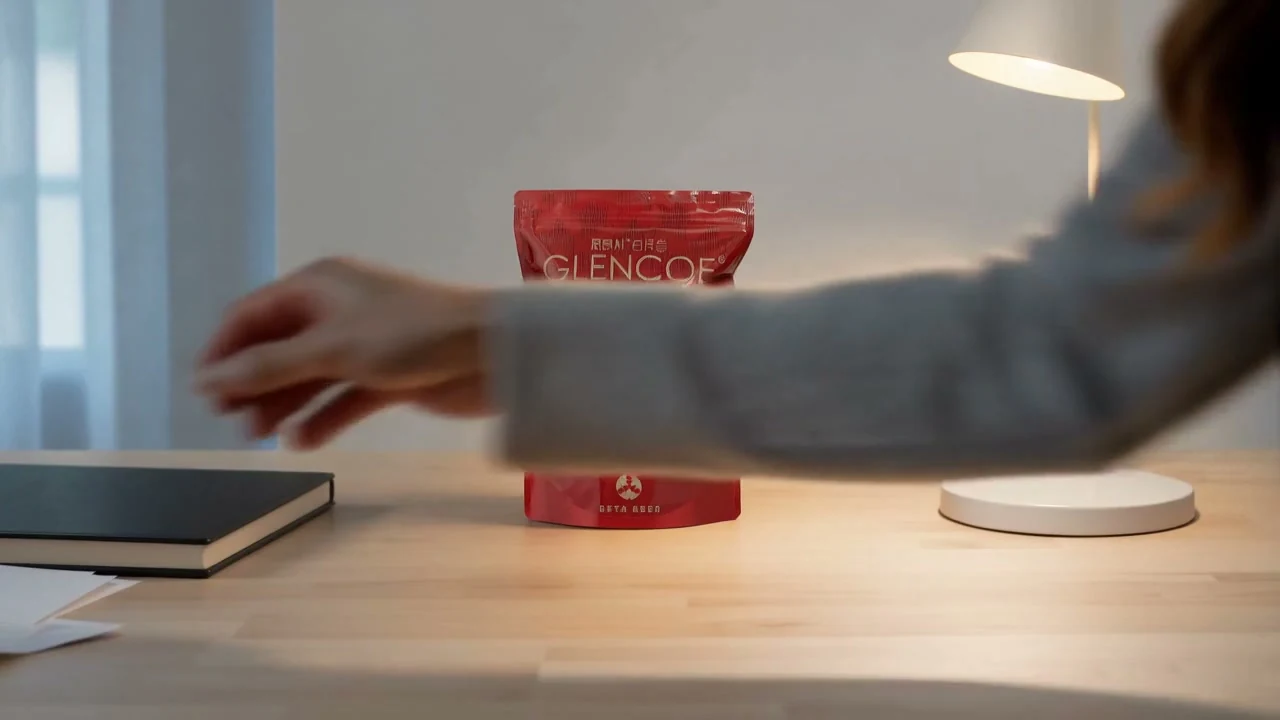
Completed brand constraints, scripts and storyboards, ai video and audio generation workflow, generation task management and qa, bounded retries and human review.
Project completion and usability confirmed by the portfolio owner. Screenshots and recordings retain their original capture context.
Completed brand constraints, scripts and storyboards, ai video and audio generation workflow, generation task management and qa, bounded retries and human review.
Completed and available for use.
Ongoing maintenance and improvements based on usage feedback.
What I Built
Completed brand constraints, scripts and storyboards, ai video and audio generation workflow, generation task management and qa, bounded retries and human review.
How It Works
Brand brief → script and storyboard → generated shots → sequence, brand and content QA → rendered MP4.
My Contribution
Product rules · Workflow design · API integration
Technical Challenges
Service failures, inconsistent outputs and bounded regeneration.
Testing & Validation
Development included workflow testing, output review and troubleshooting.
Current Status
Completed · Ready to use
Evidence & implementation boundaries
Project completion and usability confirmed by the portfolio owner. Screenshots and recordings retain their original capture context.
The product is complete and usable, as confirmed by the portfolio owner. Responsibilities and dates follow the supplied resume; screenshots, recordings and logical diagrams illustrate the work.
Original resume project name: 仁仁滋(RRZ)AI 视频内容创作工厂
Overview
RRZ connects brand constraints, script and storyboard planning, AI video generation, audio and quality checks into a staged production workflow.
Completed brand constraints, scripts and storyboards, ai video and audio generation workflow, generation task management and qa, bounded retries and human review.
Development included workflow testing, output review and troubleshooting.
Completed and available for use.
Ongoing maintenance and improvements based on usage feedback.
Problem
Brand video production requires repeated setup across ideation, scripting, generation, audio and editing. Outputs can drift from brand rules or repeat earlier ideas. RRZ organizes these stages into a controlled production workflow with quality checks and recovery paths.
My Role
I led requirements, brand rules, workflow and exception-path design. I used GPT and Codex to assist the integration of video generation and TTS, defined QA and bounded retry behavior, and iterated prompts and content rules based on generated outputs.
Key Decisions
Make brand rules inputs to the workflow
Define tone, visual constraints and content restrictions before generation.
Bound retries and retain human review
Use stage checks, retry limits and a human fallback to prevent an unbounded regeneration loop. These mechanisms are resume-reported; the selected completed run does not demonstrate every recovery path.
Track tasks and repeated content separately
Keep generation records and design historical-script deduplication. A new task is not automatically a new creative idea; production state and creative novelty need separate review.
Product Design
Carry the brand brief through concept, script, storyboard, generation, voice, editing and QA. Manage successive generation tasks and retain their outputs and check results, so a failure can be handled at the relevant stage instead of treating the entire pipeline as a black box.
Inside the product
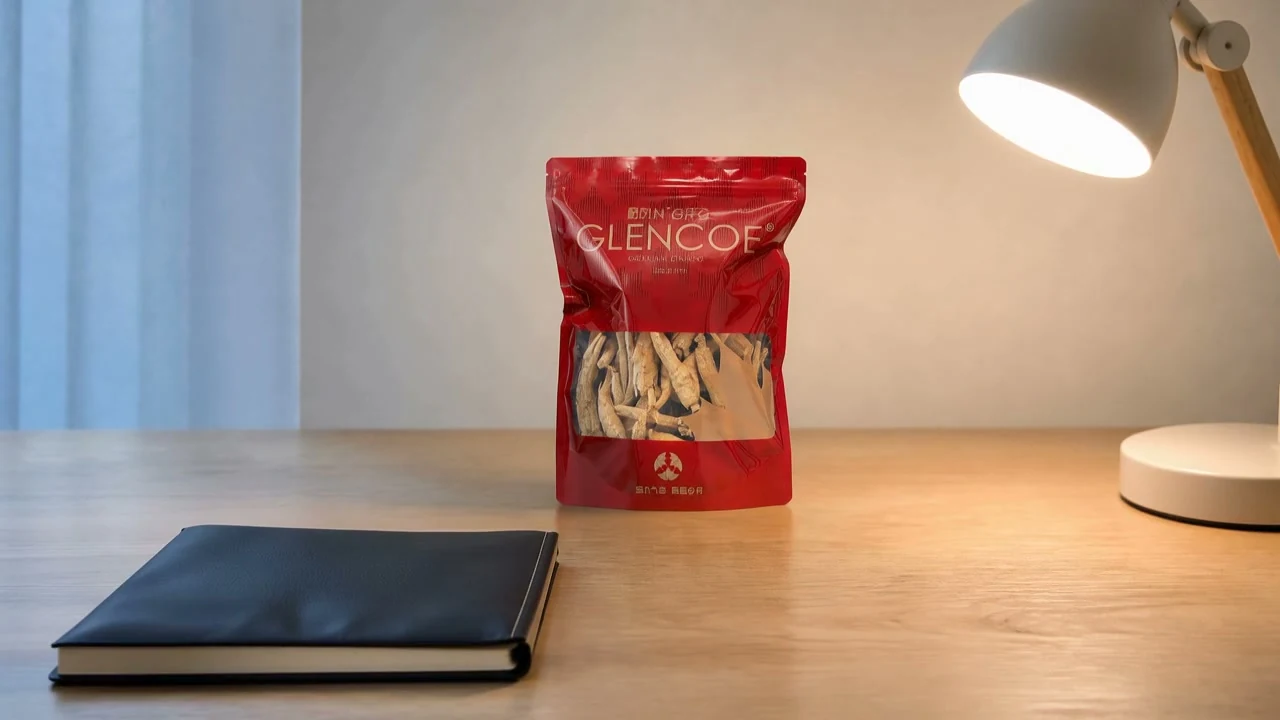
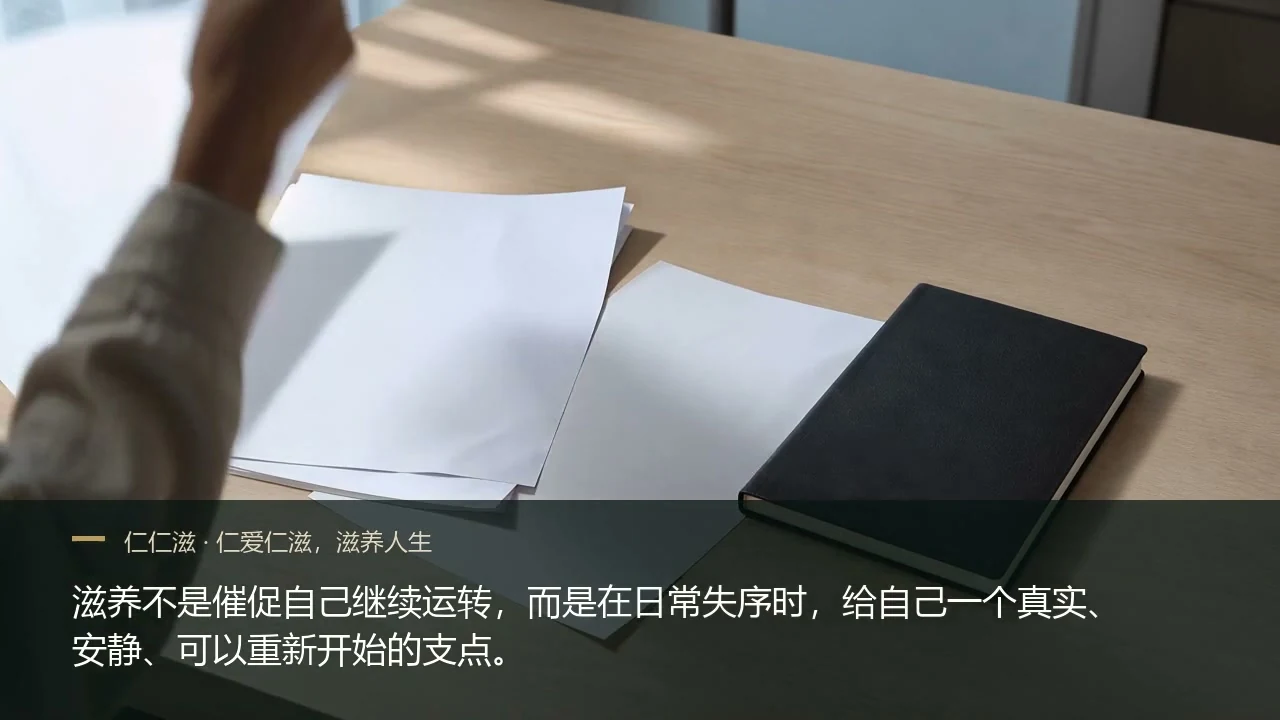
Supplied media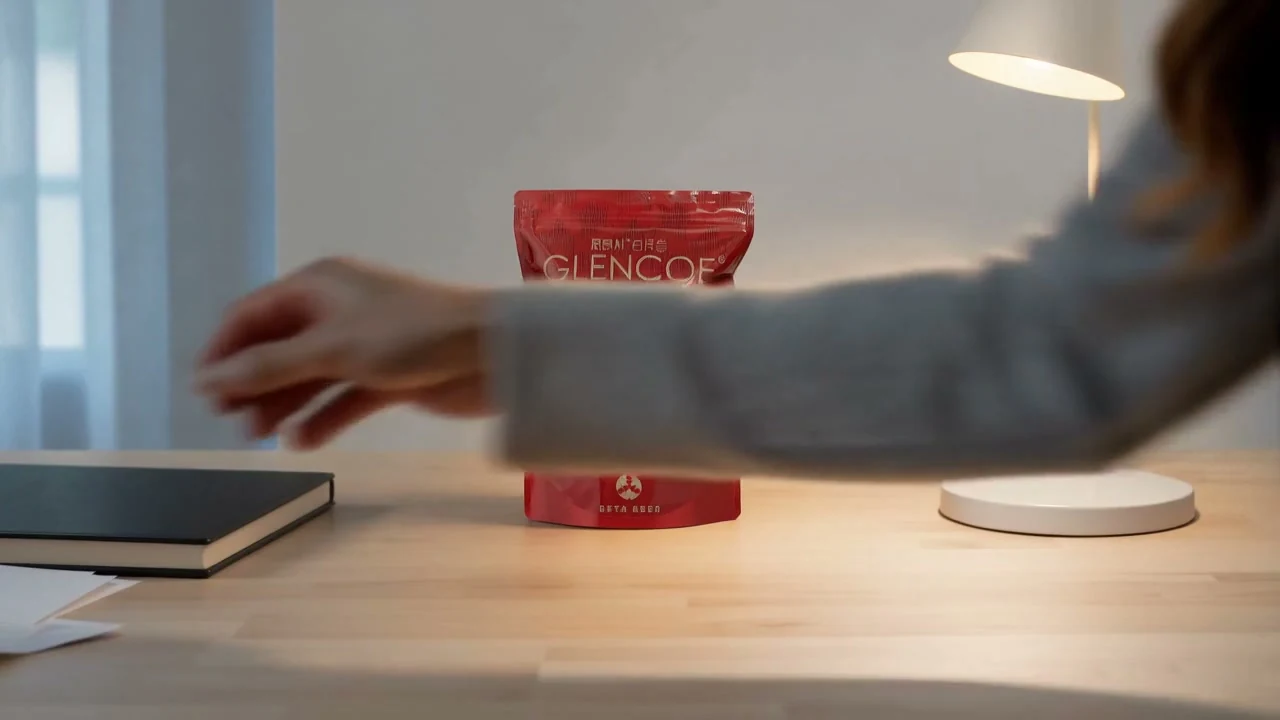
System Architecture
Logical design: brand constraints feed script and storyboard planning, followed by generation and audio services, editing, QA and review or retry. A retained manifest records one completed non-dry-run task. This diagram is a functional explanation; provider reliability, exact topology and all retry branches have not been independently accepted.
- Brand constraintsSystem workflow
- Script & storyboardSystem workflow
- Video & audio servicesSystem workflow
- Editing & QASystem workflow
- Review / bounded retryHuman decision / review
Exact components, deployment boundaries and data flows await original project evidence. This diagram adds no delivery claims.
Tags describe project practice, not personal proficiency or certification.
Implementation
The resume describes integration of Runway video generation and TTS through AI-assisted development, automatic QA, bounded retries, manual fallback and historical-script deduplication. The local project also has an offline simulation path; that path is not presented as live generation. The showcased MP4 comes from a separately recorded non-dry-run task.
Technical Challenges
Different services can fail at different stages, while plausible output can still violate a visual or brand constraint. The design must distinguish provider failure, content rejection and an exhausted retry budget. Automated model judgments also need human scrutiny rather than being reported as objective quality scores.
Testing & Validation
Development included workflow testing, output review and troubleshooting.
Retained historical records are not newly executed original-product tests.Results
Completed brand constraints, scripts and storyboards, ai video and audio generation workflow, generation task management and qa, bounded retries and human review. The product is complete and usable.
Project dates follow the supplied resume; screenshots and recordings document the product at the time of capture.
Product Demo
- Brand constraints, scripts and storyboards
- AI video and audio generation workflow
- Generation task management and QA
- Bounded retries and human review
Show the work in action.
Archived generated output · recorded pipeline QA; no customer or performance claim.
- Original brand video output
- Storyboard & generation workflow
- QA findings & retry records
Lessons Learned
Generation success and product acceptance are different questions. A useful next validation step is to preserve a failed attempt, its QA finding, retry decision and final human assessment alongside a successful output. That would make the recovery logic as inspectable as the finished film.